Crayon: Unleashing Playful Typography in Modern Design
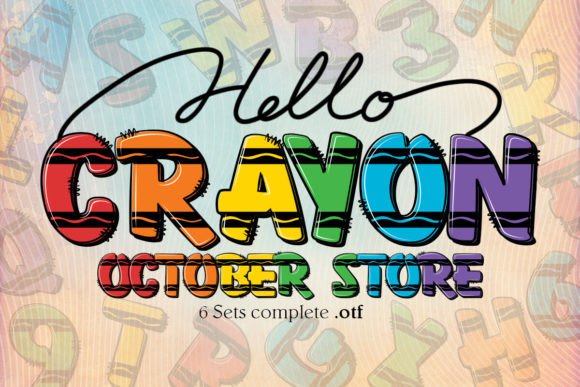
Imagine capturing the vibrant, unfiltered creativity of childhood art class and channeling it directly into your professional graphic design workflow. This is the promise of whimsical typography, a design element that can instantly inject warmth, nostalgia, and approachability into a project. In a digital landscape often dominated by sleek minimalism, a playful font like Crayon offers a refreshing and emotionally resonant alternative, proving that professional design can also be joyful and deeply engaging.
The Strategic Value of Playful Typography
In visual communication, typography is far more than just text; it's a fundamental component of brand identity and user experience. A font choice communicates tone, personality, and intent before a single word is read. While serif and sans-serif fonts convey tradition and modernity, respectively, a hand-drawn or thematic typeface like a crayon style font establishes a unique voice. It signals creativity, authenticity, and a human touch, which can be invaluable for brands seeking to build a personal connection with their audience.
Practical Applications Across Creative Projects
The versatility of a well-designed themed font extends across numerous applications, making it a powerful creative asset. Its inherent visual hierarchy draws the eye, making it perfect for headlines and accent text that need to stand out.
- Brand Identity & Logo Design: Ideal for brands in education, children's products, creative services, or any business wanting to project a friendly and imaginative image. It can define a logo's character or be used for secondary typography.
- Marketing & Social Media Graphics: Creates scroll-stopping visuals for Instagram posts, Facebook ads, and promotional banners. The playful aesthetic is highly shareable and enhances engagement.
- Packaging & Merchandise Design: Adds a distinctive, tactile feel to product packaging, labels, and custom merchandise like T-shirts or tote bags, making products feel more personalized and artisanal.
- Editorial & Web Design: Used sparingly, it can highlight pull quotes, section headers, or calls-to-action in magazines, blogs, or website UI, breaking up monotony and adding visual interest.
- Digital Products & Presentations: Enhances the appeal of e-books, online course materials, and slide decks, making information delivery more engaging and memorable.
Integrating Thematic Fonts into a Professional Workflow
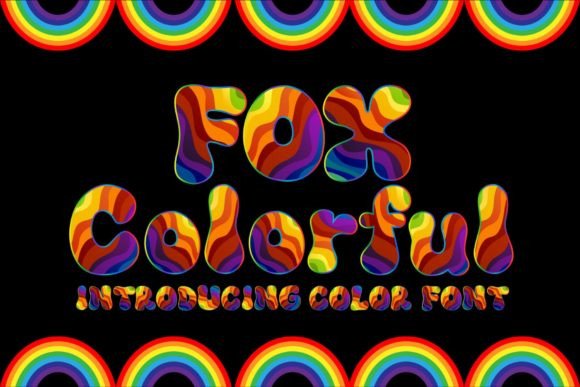
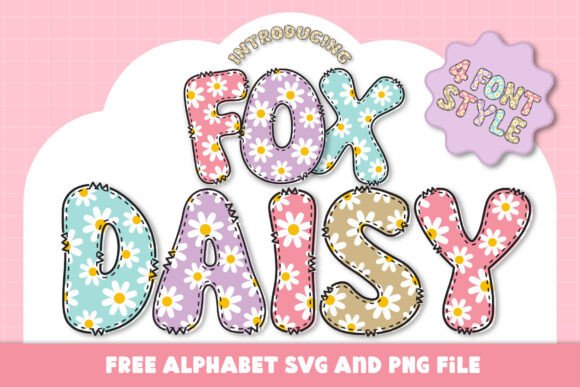
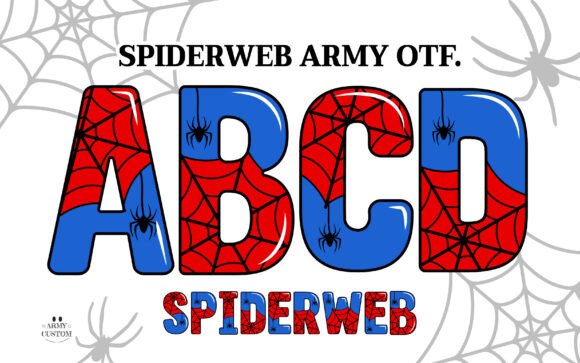
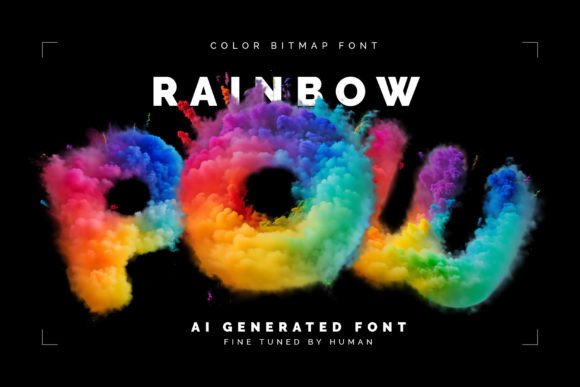
When incorporating a stylized font like Crayon Colorful into your design toolkit, thoughtful application is key. Its effectiveness lies in contrast and context. Overusing a highly decorative font can compromise readability and visual hierarchy. The best practice is to pair it with a clean, neutral typeface for body copy, using the thematic font exclusively for headlines, subheads, or key graphical elements. This creates a balanced composition that is both impactful and legible.
Evaluate the font's compatibility with your existing brand system. Consider its color palette, scalability, and the emotions it evokes. For instance, a vibrant, multi-colored version is perfect for a children's birthday party flyer or a school event poster, while a single-color version might be more appropriate for a creative agency's internal presentation. Always check file compatibility with your design software—such as Adobe Photoshop, Illustrator, or Silhouette Studio—to ensure a seamless design workflow.
Ultimately, the most effective design assets are those that serve a clear purpose while elevating the overall aesthetic. A whimsical font is not merely a decorative choice; it's a strategic tool for storytelling and connection. By selecting high-quality, versatile creative resources and applying them with intention, designers and creators can craft visuals that are not only beautiful but also communicate more effectively, strengthen brand recall, and resonate on a human level. Thoughtful typography transforms good design into great communication.