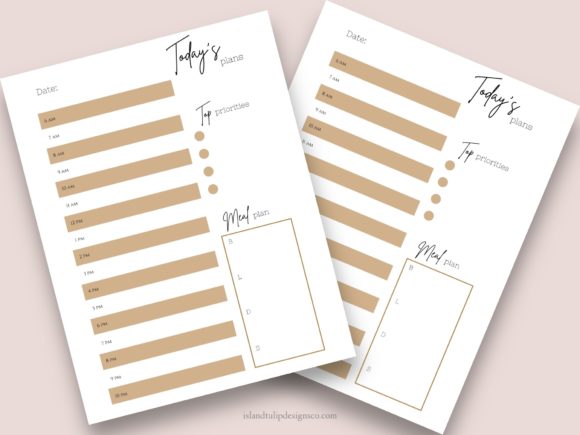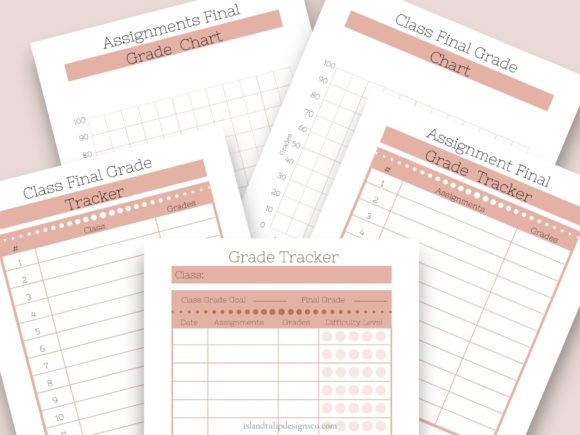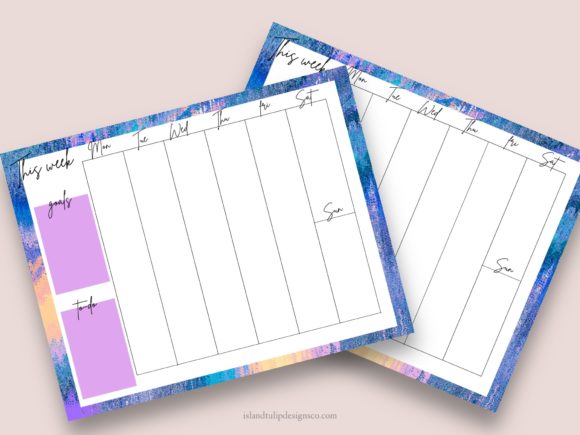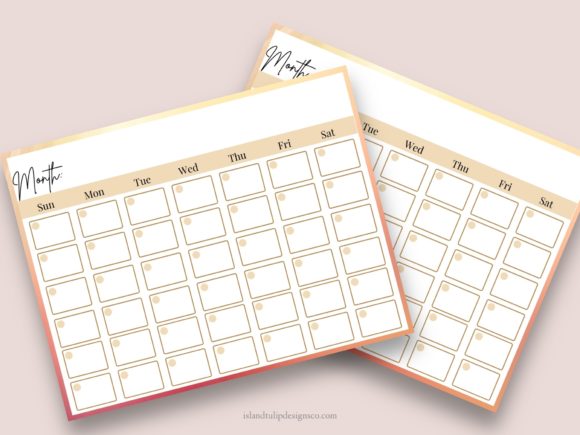
Daily Planner │ To Do List: Designing Your Perfect Day
Transforming a chaotic schedule into a visually harmonious and productive day is a core challenge in modern workflow design. A well-crafted daily planner acts not just as a list, but as a central hub for organizing tasks, thoughts, and self-care goals in one cohesive visual system. This approach mirrors the principles of effective graphic design, where clarity, structure, and aesthetic appeal combine to enhance user experience and engagement.
The value of a physical or digital planning sheet lies in its ability to create a tangible connection between intention and action. For designers, marketers, and creators, a beautifully designed planner is more than an organizational tool—it's a daily touchpoint for visual inspiration and brand consistency. The right design can improve focus, reduce cognitive load, and bring a sense of calm to a busy professional life, much like a well-designed user interface guides a user effortlessly through a digital experience.
Practical Applications Beyond Personal Planning
The principles embedded in a high-quality daily planner template have broad applications across creative and professional fields. Understanding its design can inform better visual communication strategies.
- Brand Identity & Marketing: A cohesive visual system, like a planner's consistent color palette and typography, strengthens brand recognition. The same disciplined approach to layout and hierarchy can be applied to marketing collateral, from brochures to email newsletters.
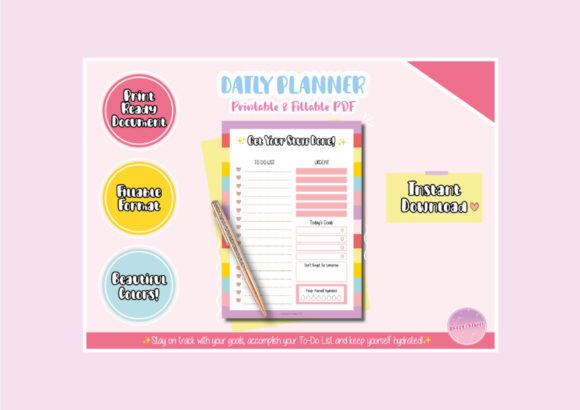
- Digital Product & UI Design: The planner's clear sections for notes, to-do lists, and water intake tracking are a masterclass in information architecture. This structured approach to content is directly applicable to designing intuitive app interfaces and website dashboards where user goals must be prioritized.
- Content Creation & Social Media: The fun, colorful aesthetic of a well-designed planner provides excellent design inspiration. Its balance of form and function can be translated into engaging social media graphics, editorial layouts for blogs, or even packaging design that needs to communicate key information attractively.
Key Design Elements for Effective Planning Tools
When evaluating or creating a planning resource, several graphic design fundamentals ensure its effectiveness and professional quality.
- Visual Hierarchy & Readability: A successful design uses size, weight, and spacing to guide the eye. Important sections like the primary to-do list should stand out, while supporting elements like notes remain accessible but subordinate. This ensures the tool is quick and easy to use.
- Color Psychology & Palette: The choice of a colorful, fun design isn't just decorative. Strategic use of color can categorize tasks, highlight priorities, and create an uplifting mood, directly impacting the user's engagement and motivation.
- Typography & Scalability: Clean, legible fonts are non-negotiable for both print and digital use. The design must scale beautifully across different formats, from a full A4 page to a half-letter size or a mobile screen, maintaining its integrity and visual appeal—a critical consideration for modern multi-platform branding.
- Format Flexibility: Offering both printable and fillable PDF files demonstrates a deep understanding of user needs. This versatility respects different workflows, whether someone prefers the tactile experience of pen on paper or the efficiency of digital editing, a key consideration in contemporary UX design.
Ultimately, selecting a creative asset like a daily planner is an exercise in thoughtful design decision-making. The best tools seamlessly blend aesthetic pleasure with practical utility, proving that excellent design is always about solving real-world problems with clarity and style. By choosing resources that prioritize both visual impact and functional clarity, professionals can enhance their daily routines and elevate their overall creative output.