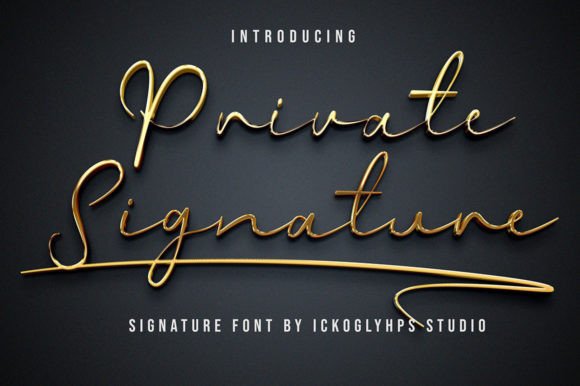
Private Signature: Crafting Authentic Visual Narratives
In the digital age, where polished perfection often dominates, a touch of human imperfection can create a powerful connection. Private Signature, a casual and flowing handwritten font, offers just that—a bridge between digital design and authentic, personal expression. This typeface is more than just a collection of letters; it's a creative tool designed to inject warmth, character, and a sense of bespoke craftsmanship into your visual projects. Its versatile style makes it an invaluable asset for designers, marketers, and creators aiming to produce work that feels both professional and deeply personal.
The Role of Handwritten Typography in Modern Design
Typography is a cornerstone of effective visual communication, setting the tone and guiding the viewer's emotional response. A font like Private Signature plays a specific and crucial role in this ecosystem. Unlike rigid, formal typefaces, its casual flow mimics natural handwriting, which inherently feels more approachable and human. This quality is essential for building authentic brand identity and fostering user engagement. In a landscape saturated with generic visuals, leveraging such a distinctive font helps brands stand out, tell a compelling story, and create a memorable impression that resonates on a personal level.
Practical Applications for Creative Impact
The true strength of a versatile asset like Private Signature lies in its broad range of applications. Its unique style can elevate countless creative projects, providing a consistent yet adaptable aesthetic. Consider integrating it into your design workflow for:
- Branding and Logo Design: Use it for logos, wordmarks, or brand taglines to convey a handcrafted, artisanal, or boutique personality. It works exceptionally well for lifestyle brands, wedding planners, and creative studios.
- Marketing Materials: Enhance flyers, brochures, and email headers with handwritten callouts or quotes that draw the eye and add a layer of sincerity to your message.
- Social Media Content: Create eye-catching Instagram Stories, Pinterest pins, and Facebook posts. The font's casual elegance is perfect for quotes, announcements, and engaging call-to-action overlays.
- Website and UI Design: Strategically use it for hero section headers, pull quotes, or button text to break the monotony of standard web fonts and guide user attention in a friendly manner.
- Editorial and Packaging Design: Add sophistication to magazine layouts, book covers, or product labels. It can highlight key ingredients, author bios, or special features with a personal touch.
Tips for Effective Implementation
While a font like Private Signature is incredibly powerful, its effectiveness depends on thoughtful application. To ensure it enhances rather than hinders your design, consider these practical tips:
- Prioritize Readability: Use it for headlines, short phrases, or accent text rather than long body paragraphs. Its stylistic nature is best appreciated in smaller, impactful doses where clarity is not compromised.
- Maintain Visual Hierarchy: Pair it with a clean, neutral sans-serif or serif font for body text. This creates a balanced and professional presentation, allowing the handwritten element to stand out as a deliberate design choice.
- Consider Scalability: Test the font at various sizes to ensure its delicate details remain clear. What looks beautiful on a large poster must also be legible as a small social media graphic.
- Align with Brand Voice: Ensure the font's casual, flowing personality aligns with your overall brand identity and the message you wish to communicate. It should feel like a natural extension of your brand's voice.
Ultimately, the choice of typography is a fundamental decision that shapes the entire visual experience. Selecting a high-quality, versatile font like Private Signature is an investment in your project's ability to communicate with authenticity and style. By thoughtfully integrating such creative assets, you move beyond mere decoration to craft visual narratives that engage, persuade, and leave a lasting impression, proving that in design, the human touch is still the most compelling element of all.