Whatcha Doing: Elevate Projects with Rainbow Typography
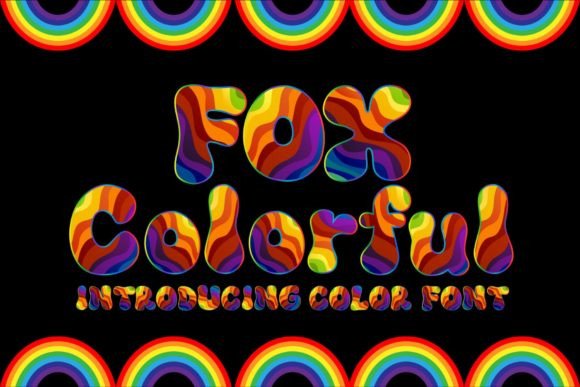
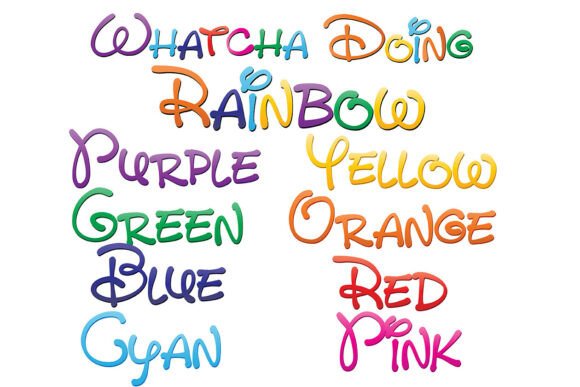
Imagine asking your audience a simple, playful question, and their eyes are instantly drawn to a vibrant splash of color that feels hand-drawn and personal. That is the power of the Whatcha Doing typeface collection. In a digital landscape often dominated by static, monochrome text, these nine full-color fonts offer a distinctive, whimsical, hand-written print created in a gradient of eight rainbow colors, plus a ninth font that combines them all. For graphic designers and visual communicators, this asset represents a significant leap forward in typographic expression, moving beyond standard black-and-white layouts to inject immediate energy and personality into any project.
The Technical Edge: Understanding SVG Color Fonts
To fully leverage this resource, it is essential to understand the technology behind it. The Whatcha Doing collection utilizes OpenType full-color (SVG) technology. Unlike traditional vector fonts that rely on single-color fills, SVG fonts embed rich graphic data directly into the font file. This allows for complex color gradients, textures, and shading that were previously impossible to achieve without outlining text or using rasterized images.
Installation is straightforward—users simply install the .otf file via FontBook on Mac or the preferred font manager on Windows. However, a key aspect of modern typography workflow is understanding software compatibility. While these fonts install like any normal font, they will appear black in non-compatible programs. If you are unsure whether your software supports full-color SVG fonts, check the live preview. Programs such as Adobe Photoshop, Illustrator, Quark, Silhouette Studio, and Inkscape fully support this technology, allowing you to see the rainbow gradients as you type.
Practical Applications for Modern Design
The versatility of the Whatcha Doing font extends across numerous creative projects. Because it is vector-based, it scales to any size without losing quality, making it an invaluable asset for both digital and print design workflows. Here are specific ways this typography can transform your visual hierarchy:
- Branding and Logo Design: Use the rainbow gradient variant to create a focal point in a logo that targets a youthful or energetic demographic. It instantly sets a brand apart from corporate, rigid competitors.
- Social Media Graphics: In the fast-paced world of digital marketing, stopping the scroll is paramount. The colorful, hand-written style of these fonts creates high-contrast visuals that grab attention in crowded feeds.
- Packaging Design: For products targeting the creative, lifestyle, or children’s markets, this font adds a tactile, artisanal quality to labels and headers.
- Web and UI Design: While body text should remain legible and simple, using Whatcha Doing for hero section callouts or promotional banners can break the monotony of standard sans-serifs and improve user engagement.
Strategic Typography: Tips for Effective Implementation
While the aesthetic appeal of full-color fonts is undeniable, successful graphic design relies on strategic application. To ensure your typography enhances rather than overwhelms your message, consider the following workflow tips:
- Maintain Visual Hierarchy: Reserve the Whatcha Doing font for headers, sub-headers, or call-to-action phrases. Its complex color palette works best in short bursts. Pairing it with a clean, neutral sans-serif for body text ensures readability and a professional presentation.
- Evaluate Color Compatibility: Since the font features a fixed gradient of rainbow colors, ensure your background and surrounding imagery do not clash. Solid, neutral backgrounds (white, light gray, or dark charcoal) typically allow the colors to pop without creating visual noise.
- Test Across Platforms: Given the specific compatibility requirements of SVG fonts, always test your design in the final output environment. If you are creating a PDF for print, verify that the export settings support color fonts to avoid unexpected monochrome results.
Ultimately, the goal of modern visual design is to communicate a message effectively while creating an emotional connection. By integrating assets like the Whatcha Doing